 EN
EN


In today's digital age, protecting valuable electronic devices has become increasingly important for professionals, students, and tech enthusiasts. The material choice for storage solutions can make the difference between keeping gadgets safe and suffering costly damage from drops, moisture, or impacts. EVA foam has emerged as the superior material for digital gadget storage, offering exceptional protection properties that traditional materials simply cannot match. This versatile polymer provides the perfect balance of durability, flexibility, and shock absorption that modern electronics demand.
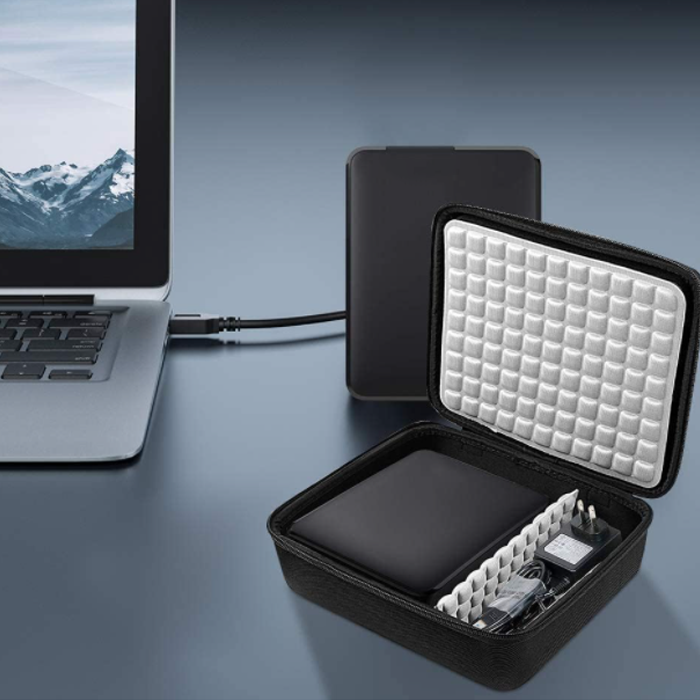
Professional users across industries have discovered that EVA storage cases provide unmatched reliability for their expensive equipment. Unlike rigid plastic containers that can crack under pressure or soft fabric pouches that offer minimal protection, EVA combines the best characteristics of both worlds. The closed-cell foam structure creates an impermeable barrier against moisture while maintaining enough flexibility to absorb significant impacts without transferring force to delicate internal components.
Understanding EVA Material Properties
Chemical Composition and Structure
Ethylene Vinyl Acetate represents a breakthrough in polymer science, combining ethylene and vinyl acetate monomers to create a material with unique protective characteristics. The resulting copolymer exhibits properties that make it ideal for electronic storage applications. The vinyl acetate content determines flexibility and transparency, while the ethylene component provides strength and chemical resistance. This careful balance creates a material that remains stable across temperature variations while maintaining its protective qualities over extended periods.
The molecular structure of EVA creates millions of tiny air pockets within the foam matrix. These microscopic chambers act as individual shock absorbers, distributing impact forces across the entire surface rather than concentrating stress at single points. This cellular architecture explains why EVA outperforms solid materials in protecting delicate electronics from sudden movements, drops, or external pressures that could damage sensitive components.
Physical Performance Characteristics
The density range of EVA foam allows manufacturers to customize protection levels for specific applications. Lower density variants provide excellent cushioning for lightweight devices like earbuds or small cameras, while higher density options offer robust protection for laptops, tablets, and professional equipment. This adaptability ensures that each device receives appropriate protection without unnecessary bulk or weight.
Temperature stability represents another crucial advantage of EVA materials. Unlike many plastics that become brittle in cold conditions or soft in heat, EVA maintains consistent protective properties across a wide temperature range. This reliability makes EVA storage solutions suitable for outdoor photographers, traveling professionals, and anyone who transports electronics in varying environmental conditions.
Superior Protection Against Impact Damage
Shock Absorption Technology
The cellular structure of EVA creates a progressive absorption system that handles impacts more effectively than traditional materials. When force is applied to the surface, the foam cells compress in stages, gradually slowing down the impact rather than creating an abrupt stop. This controlled deceleration prevents the sudden jarring movements that can damage internal components of electronic devices, particularly hard drives, circuit boards, and display screens.
Laboratory testing demonstrates that EVA foam can absorb up to 90% of impact energy before reaching maximum compression. This exceptional performance means that devices stored in EVA cases can survive drops from significant heights without sustaining damage. The material's memory properties ensure that it returns to its original shape after compression, maintaining consistent protection throughout the product's lifetime.
Multi-Directional Impact Resistance
Unlike rigid cases that only protect against direct impacts, EVA provides comprehensive protection from all angles. The foam's flexibility allows it to conform to device contours while maintaining protective barriers around vulnerable areas such as corners, ports, and screen edges. This complete encapsulation ensures that impacts from any direction are absorbed and distributed rather than transmitted directly to the device.
Professional equipment users particularly benefit from this multi-directional protection when transporting gear in vehicles, aircraft, or harsh working environments. The material's ability to handle repeated impacts without degrading ensures long-term reliability for expensive equipment that must perform flawlessly in demanding situations.
Moisture and Environmental Protection
Water Resistance Properties
The closed-cell structure of EVA foam creates an effective barrier against moisture infiltration. Each foam cell is completely sealed, preventing water from penetrating the material and reaching stored electronics. This protection extends beyond simple water resistance to include humidity control, condensation prevention, and protection from accidental spills or exposure to rain.
Marine professionals, outdoor photographers, and field researchers rely on EVA storage solutions to protect sensitive equipment in challenging environments. The material's hydrophobic properties ensure that even prolonged exposure to high humidity conditions will not compromise the internal environment of the storage case, maintaining optimal conditions for electronic components that can be damaged by moisture-related corrosion or short circuits.
Chemical and UV Resistance
EVA foam demonstrates exceptional resistance to common chemicals, oils, and solvents that might be encountered in industrial or laboratory settings. This chemical stability prevents degradation of the protective material over time, ensuring consistent performance even when exposed to cleaning agents, lubricants, or other substances that could compromise lesser materials.
Ultraviolet radiation resistance makes EVA suitable for outdoor applications where equipment might be exposed to direct sunlight. The material maintains its structural integrity and protective properties even after extended UV exposure, unlike many plastics that become brittle or discolored when subjected to solar radiation. This durability extends the useful life of storage solutions while maintaining protection effectiveness.
Design Flexibility and Customization Options
Moldability and Shape Retention
The thermoplastic properties of EVA allow manufacturers to create precisely fitted storage compartments that conform exactly to device specifications. Advanced molding techniques can produce custom cavities that hold each component securely while providing easy access for insertion and removal. This precise fit eliminates movement within the case, preventing damage from internal impacts during transport.
Memory foam characteristics ensure that molded shapes maintain their form over thousands of use cycles. Unlike materials that gradually lose their shape or become compressed, EVA returns to its original configuration after each use, providing consistent protection and fit throughout the product's lifetime. This reliability is crucial for professional users who depend on their equipment being properly secured and protected.
Color and Aesthetic Options
Manufacturing flexibility allows EVA storage solutions to incorporate various colors, textures, and finishes without compromising protective properties. Professional users can choose cases that match their brand requirements or personal preferences while maintaining the same level of protection. This aesthetic flexibility has made EVA popular among consumer electronics manufacturers who want to offer attractive packaging that doubles as protective storage.
Surface texturing options provide additional functionality such as improved grip, enhanced appearance, or tactile identification features. These customization possibilities allow manufacturers to create storage solutions that meet specific user requirements while maintaining the core protective benefits that make EVA the preferred material for electronic device storage.
Cost-Effectiveness and Longevity
Manufacturing Efficiency
EVA foam production processes are highly efficient, allowing manufacturers to create high-quality storage solutions at competitive prices. The material's moldability reduces manufacturing complexity while enabling precision fitting that would be difficult or expensive to achieve with other materials. This efficiency translates to better value for consumers who receive superior protection at reasonable costs.
Waste reduction during manufacturing contributes to cost-effectiveness while supporting environmental sustainability. EVA scraps can be recycled into new products, minimizing material waste and reducing overall production costs. This efficiency makes EVA storage solutions economically viable for both mass production and specialized applications.
Long-Term Durability
The exceptional lifespan of EVA storage solutions provides excellent return on investment for users who need reliable protection over extended periods. Unlike materials that degrade, crack, or lose protective properties over time, EVA maintains its performance characteristics through years of regular use. This longevity makes it particularly valuable for professional applications where equipment replacement costs are high.
Maintenance requirements for EVA storage solutions are minimal, requiring only occasional cleaning with mild detergents to maintain appearance and functionality. The material's resistance to staining, odor absorption, and degradation means that cases remain hygienic and presentable throughout their service life, supporting professional image requirements while protecting valuable equipment.
FAQ
How does EVA compare to traditional hard plastic cases for electronic storage
EVA offers superior impact absorption compared to hard plastic cases because its foam structure distributes forces across the entire surface rather than creating rigid contact points. While hard plastic provides excellent structural protection, it can transfer impact forces directly to stored devices, potentially causing internal damage. EVA's flexibility allows it to absorb and dissipate impact energy while conforming to device shapes for better overall protection.
Can EVA storage cases protect against extreme temperature conditions
EVA maintains its protective properties across a wide temperature range, typically from -40°F to 158°F (-40°C to 70°C), making it suitable for most environmental conditions. The material remains flexible in cold conditions and does not soften excessively in heat, ensuring consistent protection for electronics stored in vehicles, outdoor equipment, or climate-controlled environments. However, extreme conditions beyond these ranges may require specialized materials or additional protection measures.
Is EVA foam environmentally safe for long-term contact with electronic devices
EVA is chemically inert and does not release harmful substances that could damage electronic components or pose health risks to users. The material is non-toxic, odorless, and does not contain plasticizers or other additives that might outgas or cause corrosion. Many EVA formulations are recyclable, making them environmentally responsible choices for sustainable storage solutions that protect both equipment and the environment.
What maintenance is required to keep EVA storage cases functioning properly
EVA storage cases require minimal maintenance to maintain their protective properties. Regular cleaning with mild soap and water removes dirt and contaminants while preserving material integrity. The cases should be allowed to dry completely before storing electronics to prevent moisture accumulation. Periodic inspection for wear, compression, or damage ensures continued protection, though EVA's durability means replacement is typically needed only after years of heavy use.
Table of Contents
- Understanding EVA Material Properties
- Superior Protection Against Impact Damage
- Moisture and Environmental Protection
- Design Flexibility and Customization Options
- Cost-Effectiveness and Longevity
-
FAQ
- How does EVA compare to traditional hard plastic cases for electronic storage
- Can EVA storage cases protect against extreme temperature conditions
- Is EVA foam environmentally safe for long-term contact with electronic devices
- What maintenance is required to keep EVA storage cases functioning properly