 EN
EN

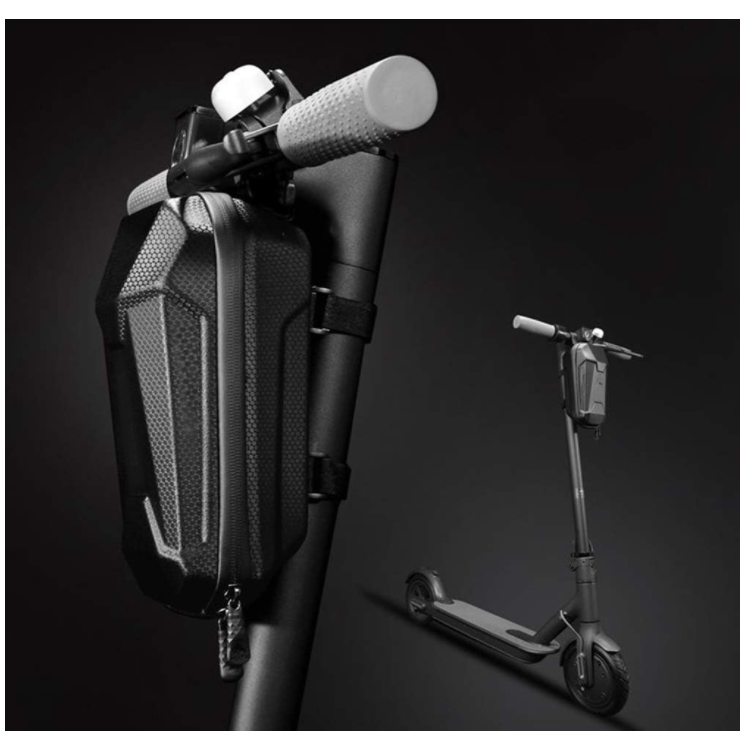
Sodobni poklicnjaki in navdušenci enako se soočajo s stalnim izzivom urejanja in zaščite svoje dragocene opreme, orodij in dodatkov. Rešitev je v izbiri ustrezne zaščitne rešitve za shranjevanje, ki združuje trdnost, univerzalnost in praktičen dizajn. Večnamensko EVA ohišje za shranjevanje predstavlja vrhunec zaščitne tehnologije za shranjevanje, saj ponuja odlične lastnosti dušenja udarcev, odpornost proti vodi ter prilagodljive predale, ki se prilagajajo različnim potrebam po shranjevanju v različnih panogah.
Pomembno je razumeti specifične zahteve za vaše shranjevanje, preden naredite vlaganje v zaščitne nosilne rešitve. Ali že varujete občutljive elektronske komponente, urejate ročne potrebščine ali zaščitujete precizne instrumente, prava škatla za shranjevanje lahko pomeni razliko med poškodovano opremo in leti zanesljive uporabe. Poklicni kupci morajo upoštevati dejavnike, ki segajo dlje od osnovne zaščite, vključno s trdnostjo na dolgi rok, enostavnim prevozom in sposobnostjo prilagajanja spreminjajočim se zahtevam za shranjevanje s časom.
Kakovost materiala in standardi gradnje
Lastnosti EVA penaste gume in zmogljivostne značilnosti
Pena iz etilena in vinil acetata predstavlja zlati standard za zaščitne shranjevalne namene zaradi svoje edinstvene molekularne strukture, ki zagotavlja izjemno dušenje udarcev in odpornost proti kemikalijam. Visoko kakovostni EVA material ima zaprto celico, ki preprečuje prodor vlage, hkrati pa ohranja strukturno celovitost pri ponavljajočih se tlačnih obremenitvah. Gostota pene neposredno vpliva na njene zaščitne lastnosti, pri čemer premium ohišja vsebujejo večgostotne konfiguracije, ki uravnotežijo dušenje in strukturno podporo.
Nadpovprečne EVA formulacije vključujejo UV stabilizatorje in dodatke proti staranju, ki preprečujejo razgradnjo zaradi izpostavljenosti sončni svetlobi in nihanjem temperature. Te izboljšane materiale ohranjajo svoje zaščitne lastnosti na širšem območju temperatur, kar jih naredi primerne za shranjevanje v zaprtih prostorih in uporabo na terenu. EVA pena profesionalne kakovosti je odporna tudi na pogoste kemikalije, olja in topila, s katerimi se lahko sreča v industrijskem okolju, kar zagotavlja dolgoročno zanesljivost delovanja.
Trdnost konstrukcije in lastnosti okrepitve
Metoda gradnje, uporabljena pri proizvodnji, določa skupno trdnost in življenjsko dobo ohišij za shranjevanje. Premium modeli imajo okrepitve v kotih z dodatno debelino materiala na točkah koncentracije napetosti, kar preprečuje predčasno poškodbo med rokovanjem in prevozom. Šive, zvarjene s toploto, zagotavljajo višjo trdnost spoja v primerjavi s lepljenimi spoji ter ustvarjajo vodotesne pregrade, ki ohranjajo svojo celovitost pod mehanskim napetostnim obremenitvijo.
Notranji okvirni sistemi enakomerno porazdelijo obremenitve po strukturi ohišja in tako preprečijo deformacijo, ki bi lahko ogrozila zaščitne lastnosti. Napredni dizajni vključujejo fleksibilne mehanizme za povezovanje, ki omogočajo popoln odpiranje, hkrati pa ohranjajo strukturno zveznost in odpravljajo šibke točke, ki se pogosto pojavljajo v tradicionalnih rešitvah za shranjevanje. Integracija kovinskih komponent v kritičnih točkah napetosti dodatno izboljša trdnost in delovno življenjsko dobo.
Prostornina shranjevanja in funkcije organizacije
Prilagodljivi sistemi predalov
Sodobne zahteve za shranjevanjem zahtevajo prilagodljivost za različne konfiguracije opreme in spreminjajoče se potrebe po zalogah. Napredni sistemi predalov uporabljajo modularne penaste vložke, ki jih je mogoče enostavno preurediti ali zamenjati, ko se zahteve za shranjevanje spreminjajo. Profesionalne tehnike rezanja pene omogočajo natančne oblike po meri, ki zagotavljajo varno pritrditev in hkrati zmanjšujejo premikanje med prevozom.
Sistemi organizacije v plasteh maksimalno izkoriščajo prostor, hkrati pa ohranjajo enostaven dostop do pogosto uporabljenih predmetov. Odstranljivi sistemi pregrad omogočajo uporabnikom, da ustvarijo ločene cone za različne kategorije opreme, s čimer preprečijo tujenje snovi in poenostavijo upravljanje zalog. Možnost popolnega prenastavitve notranje razporeditve brez nakupa dodatnih ohišij ponuja izjemno vrednost in prilagodljivost rastočim podjetjem.
Optimizacija prostora in dostopnost
Učinkovita izraba prostora zahteva previdno premislek o tridimenzionalnih vzorcih shranjevanja in zahtevah za dostop. Dobro zasnovane ohišja vključujejo stopnjevane razlike v globini, ki omogočajo shranjevanje predmetov različnih velikosti in hkrati zmanjšujejo izgubo prostora. Strategična postavitev točk dostopa zagotavlja, da so pogosto uporabljani predmeti še naprej enostavno dostopni, ne da bi motili druge shranjene komponente.
Profesionalne rešitve za shranjevanje pogosto vključujejo hitre sprostitvene mehanizme in organizacijske sisteme s kodiranjem po barvah, ki poenostavljajo upravljanje zalog in zmanjšujejo čas priprave. Jasni sistemi za prepoznavanje in vgrajene možnosti označevanja dodatno izboljšujejo operativno učinkovitost, zlasti v hitro tekočih delovnih okoljih, kjer varčevanje s časom neposredno pomeni izboljšanje produktivnosti.
Ogledi prenosljivosti in prevoza
Oblika ročaja in ergonomske značilnosti
Fizične zahteve pri prevažanju opreme zahtevajo pozorno obravnavo ergonomskih načel in porazdelitve obremenitve. Ročaji profesionalne kakovosti imajo okrepljene točke pritrditve, ki enakomerno porazdelijo težo po strukturi ohišja in preprečujejo koncentracijo napetosti, ki bi lahko povzročila okvaro ročaja. Mehke ploskve ročic zmanjšujejo utrujenost rok med daljšim prenašanjem, hkrati pa zagotavljajo varno oprijemljivost tudi v mokrih pogojih.
Različne konfiguracije ročajev omogočajo različne načine prenašanja in ustreznost za različne scenarije prevoza. Stranski ročaji omogočajo dvigovanje s strani dveh oseb pri težkih bremenih, teleskopski sistemi pa omogočajo prilagodljivo nastavitev položaja za uporabnike različnih višin. Vgrajene točke za pritrditev ramenskih pasov dodajo večnamenskost pri prenašanju brez rok, kar je še posebej koristno pri terenskih aplikacijah, kjer je mobilnost bistvenega pomena.
Sistemi za izboljšanje mobilnosti
Sodobne zahteve za prevoz pogosto zahtevajo rešitve za kolesno mobilnost, ki zmanjšujejo telesno obremenitev med premikanjem po različnih terenih. Visoko kakovostni sklopi koles imajo tesnjene ležajne sisteme, ki omogočajo gladko delovanje tudi po daljših obdobjih uporabe brez vzdrževanja. Večja kolesa zagotavljajo izboljšano stabilnost in lažje premikanje po neravnih površinah, medtem ko omogočajo kompaktno shranjevanje, kadar kolesa niso potrebna.
Napredni sistemi mobilnosti vključujejo vrteče kolesne nosilce, ki omogočajo natančno manevriranje v omejenih prostorih, v kombinaciji s sistemom zaklepanja, ki preprečuje neželeno premikanje v nepremičnem stanju. Strateško postavitev kolesnih sklopov zagotavlja optimalno porazdelitev teže in hkrati ohranja strukturno celovitost ohišja med daljšimi prevozi.
Stopnja zaščite in odpornost na okoljske vplive
Zaščita pred udarci in dušenje udarov
Glavna funkcija vsakega zaščitnega shranjevalnega sistema je osredotočena na njegovo sposobnost razprševanja udarnega energije in preprečevanja poškodb občutljivih vsebin. Sistemi zaščite z več plastmi združujejo trde zunanje ovojnice z notranjostmi iz penastega materiala, ki absorbira energijo, ter tako ustvarjajo učinkovite ovire proti mehanskim udarom. Znanstveni princip razprševanja energije s kontroliranim deformiranjem zagotavlja, da so udarne sile absorbirane s strani ohišja in ne prenešene na shranjene predmete.
Preskusni standardi za zaščito pred udarci omogočajo kvantitativne meritve zmogljivosti, ki kupcem omogočajo informirane odločitve pri nakupu. Ohišja, ki izpolnjujejo ali presegajo vojaške specifikacije, dokazujejo svojo zmogljivost v ekstremnih pogojih, medtem pa imajo civilne uporabe koristi od te povečane ravni zaščite. Med debelino penastega materiala, gostoto in zaščitno zmogljivostjo je treba vzpostaviti previdno ravnovesje, da se doseže optimalna zaščita brez prekomerne teže ali velikosti.
Tesnenje okolja in zaščita pred vremenskimi vplivi
Izpostavljenost vlage, prahu in onesnaževalom predstavlja pomembna tveganja za občutljivo opremo in materiale. Poklicni tesnilni sistemi uporabljajo več ovir, da preprečijo vdiranje okoljskih vplivov, hkrati pa ohranjajo enostavno uporabo. Materiali tesnil morajo biti združljivi s shranjevanimi predmeti in zagotavljati zanesljivo tesnjenje pri ekstremnih temperaturah ter med staritvijo.
Napredne konstrukcije tesnjenja vključujejo sisteme izravnave tlaka, ki preprečujejo nastanek vakuuma ob spremembah nadmorske višine ali nihanjih temperature. Te lastnosti omogočajo enostavno odpiranje in hkrati ohranjajo varovalno celovitost, kar je še posebej pomembno za ohišja, ki jih pogosto odpiramo. V nekaterih aplikacijah integracija drenažnih sistemov preprečuje kopičenje vlage, ki bi lahko sčasoma ogrozilo shranjene predmete.
Varnostne funkcije in nadzor dostopa
Zaklepni mehanizmi in možnosti varnosti
Zaščita cenene opreme sega dlje od okoljskih nevarnosti in vključuje tudi varnostne skrbi, povezane s krajo in neupravičenim dostopom. Poklicni zaklepnih sistemi uravnotežijo udobje in učinkovitost varnosti ter ponujajo več možnosti nadzora dostopa, ki ustrezajo različnim operativnim zahtevam. Kombinacijski zapori odpravijo težave pri upravljanju ključev in hkrati zagotavljajo zadostno varnost za večino aplikacij, medtem ko ključni sistemi ponujajo višjo raven varnosti za občutljivo opremo.
Napredne varnostne funkcije vključujejo oznake, ki kažejo na poseganje, in sisteme za sledenje, ki omogočajo revizijske sledi za visoko vrednostno opremo. Integracija RFID tehnologije omogoča avtomatizirano upravljanje zalog in sledenje lokacij, kar je posebej uporabno v velikih objektih, kjer je treba spremljati premik opreme. Ti tehnološki izboljšave spremenijo osnovno shranjevanje v celovite sisteme upravljanja sredstev.
Integracija nadzora dostopa
Sodobne zahteve po varnosti pogosto zahtevajo integracijo z obstoječimi sistemi nadzora dostopa in revizijskimi dnevniškimi zapisi. Elektronski zaklepni sistemi se lahko povežejo s programsko opremo za upravljanje objektov, da zagotovijo podrobne dnevniške zapise dostopov in avtomatizirane varnostne protokole. Ti sistemi omogočajo oddaljen nadzor dostopa in spremljanje v realnem času, kar izboljša varnost, hkrati pa ohranja operativno fleksibilnost.
Ravnovesje med varnostjo in operativno učinkovitostjo zahteva previdno oceno vzorcev delovnih tokov uporabnikov ter pogostost dostopov. Funkcije hitrega dostopa do pogosto uporabljenih predmetov je treba uravnotežiti z varnostnimi zahtevami za občutljive komponente, kar pogosto vodi do hibridnih rešitev, ki ponujajo stopnjevane ravni dostopa glede na občutljivost vsebine in pooblastila uporabnikov.
Stroškovna učinkovitost in dolgoročna vrednost
Začetna naložba v primerjavi z operativnimi stroški
Profesionalne odločitve o nakupu morajo upoštevati skupne stroške lastništva, ne le začetne stroške pridobitve. Kakovostni večfunkcijska EVA ohranjevalna škatla rešitve pogosto kažejo višjo vrednost zaradi daljše življenjske dobe in manjše pogostosti zamenjave. Preprečevanje poškodb opreme s primerno zaščito lahko prinese prihranke, ki presegajo prvotne stroške kakovostnih rešitev za shranjevanje.
Zahtevi za vzdrževanje in obratovalna učinkovitost pomembno vplivata na dolgoročne stroške. Rešitve, ki zahtevajo pogosto čiščenje, popravila ali zamenjavo komponent, povečujejo obratovalne stroške in zmanjšujejo celotno vrednostno ponudbo. Rešitve profesionalne ravni običajno vključujejo konstrukcije z nizkimi zahtevami za vzdrževanje, ki zmanjšujejo stalne stroške ter zagotavljajo zanesljivo delovanje tudi med daljšimi intervali brez vzdrževanja.
Mimogrede in zahtevanje prihodnosti
Rast poslovanja in spreminjajoče se zahteve po opremi zahtevajo rešitve za shranjevanje, ki se lahko prilagajajo razvijajočim potrebam brez popolne zamenjave. Modularne konstrukcije omogočajo postopno razširjanje in preureditev ter zagotavljajo fleksibilnost, ki varuje začetna naložba, hkrati pa upošteva spreminjajoče se zahteve. Možnost nadgradnje določenih komponent ali dodajanja funkcionalnosti znatno podaljša uporabno dobo sistemov za shranjevanje.
Možnosti integracije tehnologije zagotavljajo, da rešitve za shranjevanje ostanejo aktualne, ko se spreminjajo zahteve za nadzorom in sledenjem. Ohišja z vgrajenimi elementi za prihodnjo integracijo tehnologije kažejo napredno načrtovanje, ki varuje dolgoročno vrednost naložbe. Ta pristop omogoča postopno modernizacijo namesto popolne zamenjave, ko se spreminjajo operativne zahteve.
Industrijske aplikacije in zahteve po meri
Elektronika in tehnološka oprema
Industrija elektronike predstavlja edinstvene izzive, povezane s statično elektriko, elektromagnetnimi motnjami in natančno zaščito komponent. Posebne formulacije EVA vključujejo prevodne dodatke, ki omogočajo razprševanje statične elektrike, hkrati pa ohranjajo zaščitne lastnosti. Protistatični materiali preprečujejo nabiranje naboja, ki bi lahko poškodoval občutljive elektronske komponente med rokovanjem in prevozom.
Občutljivost elektronskih komponent na temperaturo zahteva shranjevalne rešitve, ki zagotavljajo toplotno izolacijo in preprečujejo hitre spremembe temperature. Napredni materiali ponujajo odlične toplotne lastnosti, ki ohranjajo stabilno notranje okolje tudi ob ekstremnih zunanjih temperaturnih nihanjih. Ta zmožnost je še posebej pomembna za natančne instrumente in kalibrirano opremo, ki bi lahko izgubili natančnost zaradi toplotnega napetosti.
Medicinska in laboratorijska oprema
Medicinske aplikacije zahtevajo najvišjo raven čistosti in preprečevanja onesnaženja. Shranjevalni materiali morajo dokazati biokompatibilnost in odpornost proti čistilom medicinske kakovosti ter postopkom sterilizacije. Gladke, nepropustne površine omogočajo temeljito čiščenje, hkrati pa preprečujejo rast bakterij in kopičenje onesnaženja.
Zahtevi glede skladnosti z regulativami v medicinskem okolju zahtevajo dokumentacijo lastnosti materialov in postopkov čiščenja. Škatle, uporabljene v medicinskih aplikacijah, morajo izpolnjevati določene standarde za varnost materialov in validacijo čiščenja, kar zahteva celovite dokumentacijske in sledljive sisteme. Ti zahtevi vključujejo tudi spremljanje zgodovine uporabe posamezne škatle in vzdrževalnih zapisov.
Pogosta vprašanja
Kako določim pravo velikost EVA shranjevalne škatle za svojo opremo
Pravilna velikost zahteva natančno merjenje dimenzij opreme ter dodatni prostor za debelino zaščitne pene. Vsaki dimenziji dodajte približno 5 do 10 cm, da bo mogoče namestiti peno za dušenje in zagotoviti varno prileganje brez prekomernega stiskanja. Upoštevajte morebitne prihodnje dodatke opreme in izberite nekoliko večje ohišja, da boste lahko sledili razvoju – preureditev pene je namreč lažja kot zamenjava celotnih ohišij.
Kakšno vzdrževanje je potrebno za ohranjanje EVA ohišij za shranjevanje v optimalnem stanju
Redno čiščenje z blagim milom in vodo ohranja videz in preprečuje nakupljanje onesnaževal. Tesnilne obroče redno pregledujte in jih zamenjajte, če pride do razpok ali zatrditve. Ohišja shranjujte po možnosti v prostorih z nadzorovano temperaturo in se izogibajte daljšemu izpostavljanju neposredni sončni svetlobi. Zgibne pete in zapahje podmazujte enkrat letno, da ohranite gladko delovanje in preprečite predčasno obrabo.
Ali je mogoče EVA ohišja za shranjevanje prilagoditi za posebne oblike opreme
Večina profesionalnih EVA ohišij ponuja možnosti prilagoditve penaste notranjosti z vodnim curkom ali CNC obdelavo. Za natančno prileganje poskrbite za podroben risbe opreme ali fizične vzorce. Nekateri proizvajalci ponujajo tudi rezanje penastega materiala na lokaciji za kompleksne konfiguracije ali večje količine. Prilagojene penaste vložke je mogoče običajno izdelati v 1–2 tednih za standardne aplikacije.
Kako okoljski pogoji vplivajo na zmogljivost EVA ohišij
Visoko kakovostni EVA materiali ohranjajo svoje lastnosti v temperaturnem območju od -40 °F do 160 °F, čeprav ekstremne temperature lahko vplivajo na elastičnost. Vlaga ima minimalen učinek zaradi zaprte strukture celic, vendar lahko dolgotrajna izpostavljenost kemikalijam ali topilom povzroči razgradnjo materiala. UV sevanje sčasoma lahko povzroči strditev materiala, zato je priporočljivo izogibanje dolgotrajnemu shranjevanju na direktni sončni svetlobi.
Vsebina
- Kakovost materiala in standardi gradnje
- Prostornina shranjevanja in funkcije organizacije
- Ogledi prenosljivosti in prevoza
- Stopnja zaščite in odpornost na okoljske vplive
- Varnostne funkcije in nadzor dostopa
- Stroškovna učinkovitost in dolgoročna vrednost
- Industrijske aplikacije in zahteve po meri
- Pogosta vprašanja