 EN
EN

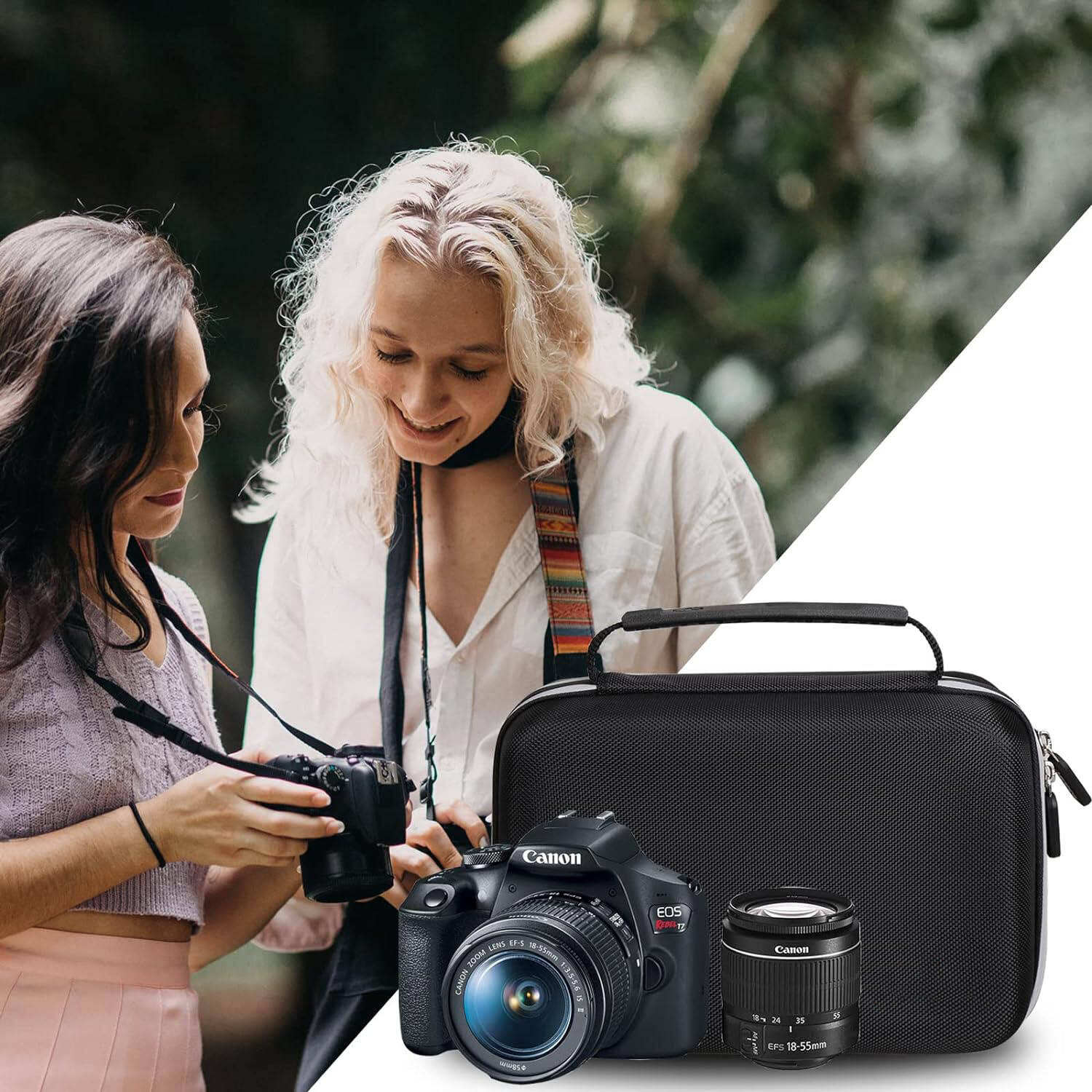
בעידן הדיגיטלי של היום, הגנה על המכשירים האלקטרוניים היקרים שלך הפכה למשהו חשוב יותר מתמיד. בין אם אתה יוצא לנסיעה עסקית, נוסע לכנס או פשוט נוהג עם המחשב הנייד, הלוח או קונסולת המשחקים שלך, יש לאמצעי ההגנה הנכון השפעה מכרעת – בין מכשיר פעיל לבין חשבון תיקון יקר. מקרה EVA מציע הגנה מתקדמת באמצעות תכונות החומר הייחודיות שלו, שמשלבות עמידות עם ניידות קלה, מה שהופך אותו לבחירה המועדפת בקרב מקצוענים וצרכנים כאחד.
התלות הגוברת בטכנולוגיה ניידת יצרה ביקוש חסר תקדים לפתרונות מגינים אמינים. בעלי מקצוע מודרניים נושאים מספר מכשירים במקביל, מהטלפונים החכמים והטאבלטים, דרך כונני קשיח ניידים ועד לציוד גיימינג. כיסויים מגנים מסורתיים לא תמיד מספקים הגנה מקיפה תוך שמירה על הגמישות הנדרשת לשימוש יומיומי. חומר ה-EVA פותר את האתגרים הללו הודות ליכולת הבלימת המכות יוצאת הדופן שלו, עמידות במים, והיכולת לשמור על תכונות ההגנה שלו בטווחים שונים של טמפרטורה.
ההבנה של המדע שמאחורי ההגנה של EVA מראה למה חומר זה מהפכן את פתרונות האחסון של התקנים. אטילן ויניל אצטט משלב את התכונות הטובות ביותר של גומי ופלסטיק, ויוצר מבנה של קצף תאים סגורים שמספק ריפוד מעולה מבלי להוסיף משקל מיותר. המבנה המולקולרי הייחודי הזה מאפשר לקליפות EVA לספוג אנרגיית מכה ביעילות, ופיזור הכוח על פני כל שטח הפנים, במקום לריכוזו בנקודות מסוימות שבהן נזק מתרחש בדרך כלל.
הכרת טכנולוגיית החומר EVA
הרכב כימי ותכונות
חומר ה-EVA מייצג התקדמות משמעותית בטכנולוגיית כיסויים מגינים, ומאפיין מבנה של קופולימר המשלב מונומרים של אתילן ואצטט ויניל. הרכב כימי זה יוצר חומר בעל גמישות ועמידות יוצאות דופן, שמעלימות חומרים מגינים מסורתיים. אחוזי אצטט הוויניל נעים בדרך כלל בין 10% ל-40%, כאשר אחוזים גבוהים יותר מספקים גמישות מוגברת, ואילו אחוזים נמוכים יותר מספקים עמידות משופרת ותנגדות כימית.
המבנה התאים הסגור של חומר ה-EVA יוצר מיליארds של כיסי אויר קטנים שפועלים כספוגים בודדים לספיגת מכות. בעת התרחשות מכה, התאים מתכווצים ופוזרים את האנרגיה בתוך החומר, וכך מונעים מהכוח להתרכז ולהגיע להתקן המוגן. המבנה התאי מספק גם תכונות עיבוי حرמי מצוינות, המגן על אלקטרוניkę רגישה משינויי טמפרטורה שעלולים להשפיע על הביצועים או לגרום נזק всולב צינון.
תהליך ייצור וcontroל איכות
ייצור מודרני של מארזים מאלסטומר תרמי (EVA) משתמש בטכניקות דקירות מתקדמות שמבטיחות צפיפות חומר עקיבה ויציבות מבנית. התהליך מתחיל באמצעות בקרת טמפרטורה מדויקת בשלב הפעמן, שבו סוכני כימיקלים יוצרים את המבנה התאי האופייני. יצרנים איכותיים מממשים דיקור רב-שלבי בכפיפה שמסיר בועות אוויר ויוצר עובי קיר אחיד לאורך כל מבנה המארז.
טיפולים משניים הנעשים במהלך הייצור משפרים בצורה משמעותית את יכולות ההגנה של מארזי EVA. ציפויים אנטי-סטטיים מונעים הפרעות אלקטרוניות, בעוד טיפולים הידרופובים יוצרים מחסומים עמידים במים שמגנים מפני חדירת לחות. שינויים משניים אלו מיושמים באמצעות תהליכי טיפול פלזמה מיוחדים שמבטיחים הדבקה עמידה לאורך זמן, מבלי לפגוע בתכונות החומר הבסיסי.
דרישות הגנה לפי מכשיר
הגנה על מחשב נייד וNotebook
מחשבים ניידים מייצגים אחת מצוואות ההגנה הקשות ביותר בשל שילובם של מסכים רגישים, רכיבים פנימיים עדינים וערך השקעה משמעותי. כיסוי EVA יעיל למחשבים ניידים חייב לספק הגנה על הפינות, ריפוד למסך ויכולות ניהול תרמי. עיצוב הכיסוי צריך לכלול אזורי צפיפות מדורגים, עם חומר EVA קשיח יותר בנקודות מפגע וחומר רך יותר שם שדרושה גמישות להכנסה ולחיצה קלה.
משתמשים מקצועיים של מחשבים ניידים צריכים כיסויים שמאפשרים איחסון של ת Zubלים שונים לצד ההתקן המרכזי. כיסויי EVA מודרניים למחשבים ניידים כוללים עיצוב מחולק למדורים עם מקומות מיוחדים למשבizi חשמל, כבלים, עכברים וכוננים חיצוניים. ארגון פנימי זה מונע מההתקנים לזוז במהלך ההובלה, תוך שמירה על גישה קלה להכנה מהירה בסביבות ישיבות או בהעברות בין מקומות עבודה.
אחסון קונסולת משחקים ובקרים
ציוד למשחקים מציג אתגרים ייחודיים ביחס להגנה בשל צורות לא רגילות, רכיבים מרובים ורמות שבירות שונות. קונסולות משחק כמו Nintendo Switch, Steam Deck או מכשירים ניידים דורשים עיצובי מ case מותאמים אישית מה-EVA שמקבלים בחשבון את הבקרה הבולטת, דרישות שיאור וצרכי אחסון אביזרים. ה-case חייב לספק אחיזה בטוחה מבלי להפעיל לחץ על ידיות אנלוגיות או משיכת זנבות רגישות.
הגנה על בקר בתוך מקרה EVA דורש שיקול דעת מדוקדק של מיקום הג'ויסטיק ושימור פריסת הכפתורים. מארזים מתקדמים לגיימינג משלבים שקעים יצוקים אשר תומכים בבקרים במיקומם הטבעי תוך מתן הגנה אישית לכל רכיב. מערכות ניהול כבלים במארזים אלה מונעות הסתבכות תוך הבטחת התקנה מהירה לסשנים של משחקים.
יישומים מקצועיים ותעשייתיים
הובלת ציוד רפואי
עובדי בריאות מסתמכים על מזוודות EVA להובלת ציוד אבחון רגיש, טאבלטים עם נתוני חולים ומכשירים רפואיים ניידים. התכונות האנטי-מיקרוביאליות של חומר ה-EVA המעובד הופכות אותו למתאים לסביבות רפואיות שבהן שליטה בתצניעות היא קריטית. למזוודות EVA ברמה רפואית יש לעיתים קרובות שטח קל לניקוי שיכול לעמוד בשימוש חוזר בציוד סניטציה ללא פגיעה בתכונות הגנה.
מזוודות EVA רפואיות מיוחדות כוללות מערכות מעקב אחר טמפרטורה ומדדי זעזועים שמתריעים בפני משתמשים על אירועים שעלולים לגרום נזק במהלך ההובלה. המזוודות עומדות בחומרים הקפדניים הנוגעים בהובלת ציוד רפואי, ובמקביל מספקות את העמידות הנדרשת לשימוש קליני יומיומי. עמידות החומר בכימיקלים מבטיחה תכנות עם פרוטוקולי ניקיון בית חולים ומנטרפים סטנדרטיים.
מחקר שדה ואיסוף נתונים
חוקרים הפועלים בסביבות קשות זקוקים לאריזות EVA המحمינות ציוד יקר לאיסוף נתונים מפני אבק, לחות ומכות פיזיות. האריזות המיועדות לשטח כוללות מנגנוני איטום ומבנים מחוזקים הנוספים לרמה הסטנדרטית של הגנה. לאריזות אלו לרוב יש מערכות פנימיות מודולריות שניתן להגדיר מחדש בהתאם לדרישות הציוד הספציפיות של פרויקטים מחקריים שונים.
ציוד לצפייה סביבתית נהנה מאריזות EVA עם מערכות ניגב משולבות שמונעות רמות לחות אופטימליות במהלך תקופות תצוגה ממושכות בשטח. האריזות מספקות הגנה מפני תנודות טמפרטורה, רטט במהלך ההובלה וחשיפה לתנאים קורוזיביים הנפוצים ביישומים מחקריים בחוץ.
קריטריוני בחירה ותכונות
שקולות של גודל והתאמה
בחירת גודל מארז EVA המתאים דורשת מדידה זהירה של המכשירים בконפיגורציה التشופית, כולל כל אביזרים קבועים או שכבת הגנה קבועה. המארז צריך לספק רווח מספיק להכנסה קלה תוך שמירה על אחיזה הדוקה המונעת תנועה במהלך ההובלה. מארזים גדולים מדי מקטינים את יעילות ההגנה על ידי מתן אפשרות למכשירים לזוז ולפגוע בפאות הפנימיות.
ה_hopșaiות מתרחבת מעבר לממדים בסיסיים וכוללת דרישות גישה לנמלים, שיקולי קירור ויכולות הרחבה. בחירת מארז עם נוף עתידי שוקלת שדרוגים אפשריים של המכשיר או הוספת אביזרים שעלולים להשפיע על ההתאמה והפונקציונליות. מערכות מארזים מודולריות מציעות גמישות לצרכים משתנים בהגנה תוך שמירה על היתרונות הבסיסיים של בניית EVA.
גורמים של עמידות וחיים ארוכים
תוחלת החיים של קליפת EVA תלויה באיכות החומר, בשיטות הבנייה ובדפוסי השימוש. EVA איכותי שומר על תכונות הגנתו לאורך מאות מחזורי דחיסה ללא עיוות קבוע. איכות המחבר משפיעה משמעותית על אורך חיי הקליפה, כאשר ציוד YKK או שקול לו מספק עמידות טובה בהשוואה לחלופות כלליות הנפוצות באפשרויות זולות יותר.
טכניקות בניית הצלעות משפיעות הן על העמידות והן על יכולת ההתנגדות למים. צלעות מחוברות בחום מספקות אמינות ארוכת טווח טובה יותר בהשוואה לבנייה התפורה, ומבטלות נקודות כשל פוטנציאליות שבהן יכל לחדור לחות. יצרנים איכותיים מספקים אחריות השוקעת באמונה במתודולוגיות הבנייה ובבחירת החומרים שלהם.
הנחיות לתחזוקה ואחרות
ניקיון וחיטוי
תחזוקה תקינה מאריכה את חיי השימוש של קליפת EVA ומבטיחה המשך יעילות ההגנה. ניקוי רגיל מונע הצטברות של אבק שיכולScratch פני השטח של המכשירים או להפריע לפעולת הזיפר. פתרונות סבון עדינים מנקים יעילות את פני שטח EVA מבלי לפגוע בתכונות החומר או בעיבוד הפנים. יש להימנע מחומרים כימיים אגרסיביים או חומרי גירוי שיכולים לפגוע בחיפויים הגנים או ליצור לא מישוריות על פני השטח.
לניקוי הפנים יש להקדיש תשומת לב מיוחדת כדי להסיר שאריות שיכולות לקלף את המכשירים בעת הכנסה או הוצאה. אויר דחוס מנקה יעילות חלקיקים מפינות צפופות ומפינות עוטפות שבהן ניקוי ידני קשה לביצוע. ניקוי מתקדם תקופתי באמצעות מטלות חיטוי משמר את רמת ההיגיינה ומשמר את שלמות החומר על ידי בחירה זהירה של מוצרים תואמים למשטחי EVA.
אחסון וטיפול
אחסון נכון שומר על מבנה המארז EVA ומחזק באופן משמעותי את אורך החיים התפעולי. יש לאחסן את המארזים בפוזיציה פתוחה חלקית כדי לשמור על גמישות הזיפר ולמנוע עיוות קבוע בחומרי הפואם. יש להימנע מחשיפה לטמפרטורות קיצוניות במהלך האחסון, כיוון ששינויי טמפרטורה יכולים להאיץ את התדרדרות החומרים ולצמצם את היעילות הבהגנתית לאורך זמן.
יש להתייחס למארזים עמוסים תוך הקפדה על הפצת משקל נכונה ולמנוע פגיעות. למרות שמארזי EVA מספקים הגנה מעולה, הימנעות מנטיפות או פגיעות מיותרות שומרת על שלמות המארז ומאריכה את יכולת ההגנה לאורך כל תוחלת החיים שלו. בדיקה רגילה לסימני שחיקה עוזרת לזהות את הצורך בהחלפה לפני שהיעילות ההגנתית מתחילה לקטון.
שאלות נפוצות
כמה זמן מארזי EVA שורדים בדרך כלל בשימוש רגיל?
מקרי EVA איכותיים מספקים בדרך כלל 3-5 שנים של שירות מהימן בשימוש רגיל, בהתאם לעומס השימוש ולשיטות האחזקה. מקרים מקצועיים יכולים להימשך זמן ארוך יותר בזכות חומרים ושיטות בנייה מתקדמים. המבנה של הפוליאתן סגור תאים שומר על התכונות הגוננות למשך זמן ממושך בהשוואה לחלופות עם תאים פתוחים, מה שהופך את מקרי EVA להשקעה חסכונית וארוכת טווח להגנת מכשירים.
האם מקרי EVA מספקים הגנה עמידה במים לאלקטרוניקה?
מקרי EVA סטנדרטיים מציעים הגנה עמידה במים, המתאימה לחשיפה קלה לרטיבות, אך הגנה עמידה לגמרי במים דורשת מנגנוני איטום נוספים. מקרים עמידים במים מגנים מפני גיזוזים ומחיצות קצרות בגשם, בעוד שגרסאות עמידות במים כוללות רוכסים מחוזקים ומערכות איטום להגנה בעת צלילה. יש תמיד לבדוק את דרגת ההגנה הספציפית לפני חשיפת המקרים לרטיבות רבה.
האם מקרי EVA מתאימים לנסיעות אויריות עם אלקטרוניקה?
מקרי EVA מצטיינים ביישומים של תחבורה אווירית בזכות הבנייה הקלה שלהם והתכונות המדהימות של ספיגת מכות. מאפייני החומר עוזרים להגן על המכשירים מפני מכות של טיפול במשאיות, תוך עמידה בדרישות הגודל של חברות התעופה. עיצובים ידידותיים ל-TSA מאפשרים בדיקת אבטחה ללא הסרת המכשיר, ומשפרים את הליכי הנמל עבור נוסעים שנסעים בתדירות.
מה גורם ל-EVA להיות טוב יותר ממקרי קשיחים מסורתיים להגנה על מכשירים?
מקרי EVA מציעים ספיגת מכות מיטבית באמצעות המבנה הפלסטי שלהם, בעוד שмקרי קשיחים יכולים להעביר את המכה ישירות למכשירים המוגנים. הטבע הקל של ה-EVA מפחית את העומס במהלך הנסיעה מבלי להקריב את רמת ההגנה. בנוסף, מקרי EVA מספקים בידוד תרמי טוב יותר ועמידים בפני סדקים או שבר בתנאים קיצוניים שבהם מקרי קשיחים עלולים להיכשל.